Articles
Practical advice for businesses that want a better website.
No fluff, no jargon. Just what we've learned building sites for small businesses — and what you can use right now.

What Does It Mean for Your Business to Be Findable by AI?
When someone asks ChatGPT for a recommendation in your category, one of two things happens: the AI names a business, or it names your competitor. Findability is the difference, and most of it is checkable in twenty minutes.
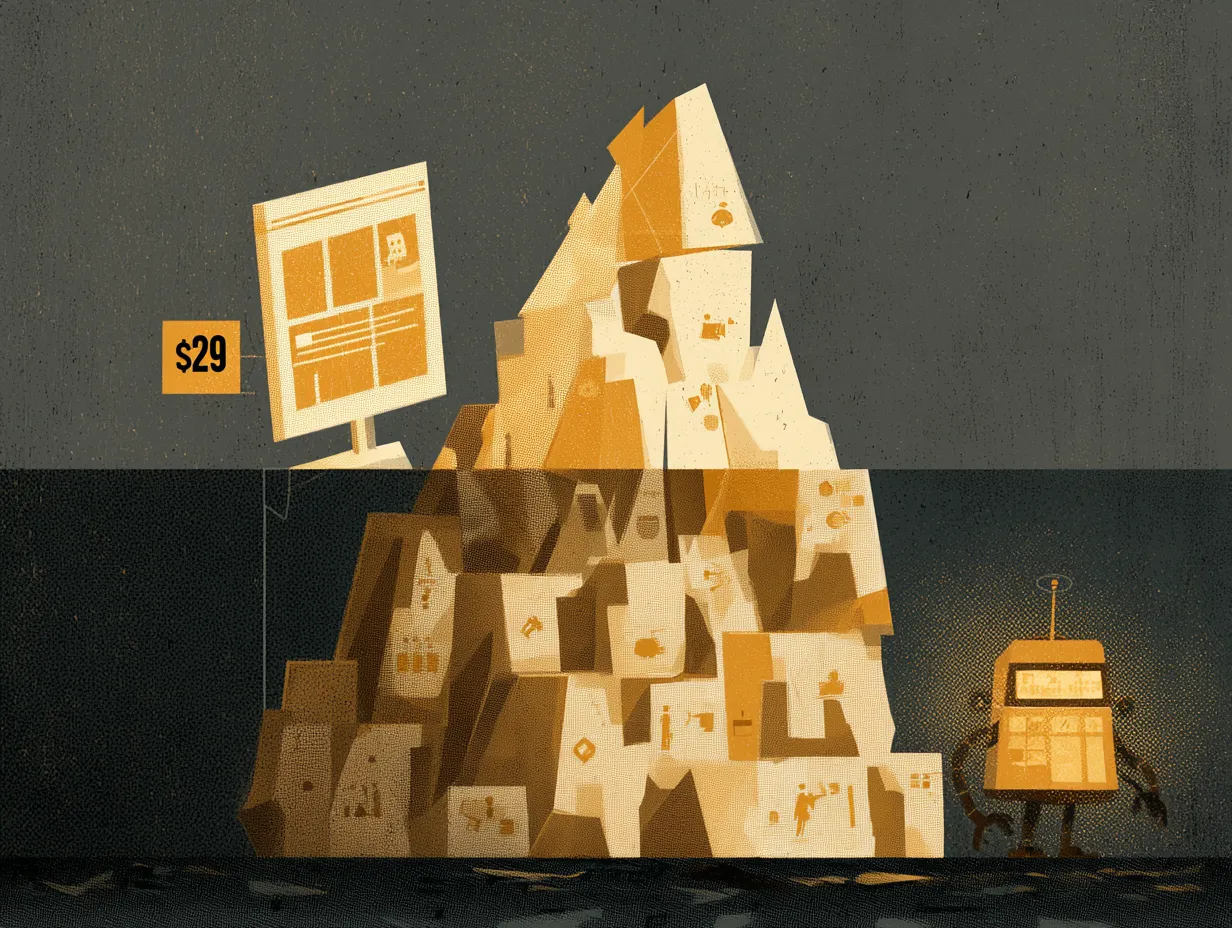
The Real Bill from Your DIY Website Isn't the Monthly Subscription
DIY websites cost service businesses $3,115 to $8,465 in year one when time is priced honestly -- plus the clients who checked the site and didn't call. Here is how the math actually works.
You Don't Need a Rebrand. You Need a Better Website.
Before you spend $15,000 on a new logo and brand guidelines -- consider that your actual problem might be a 30-day, $7,500 fix.
I Just Lost a Client to Someone With a Better Website
Service businesses lose clients to better-looking competitors every week. Here is what is actually happening, what it is costing you, and what to do about it.
Why Your Squarespace Site Is Invisible on Google (and 5 Things That Fix It)
Filling out the SEO tab in Squarespace or Wix is not SEO. Google rewards depth, specificity, and page speed -- three things template sites are structurally bad at. Most local service businesses are invisible in search not because they did SEO wrong, but because they are on the wrong platform doing the wrong things.
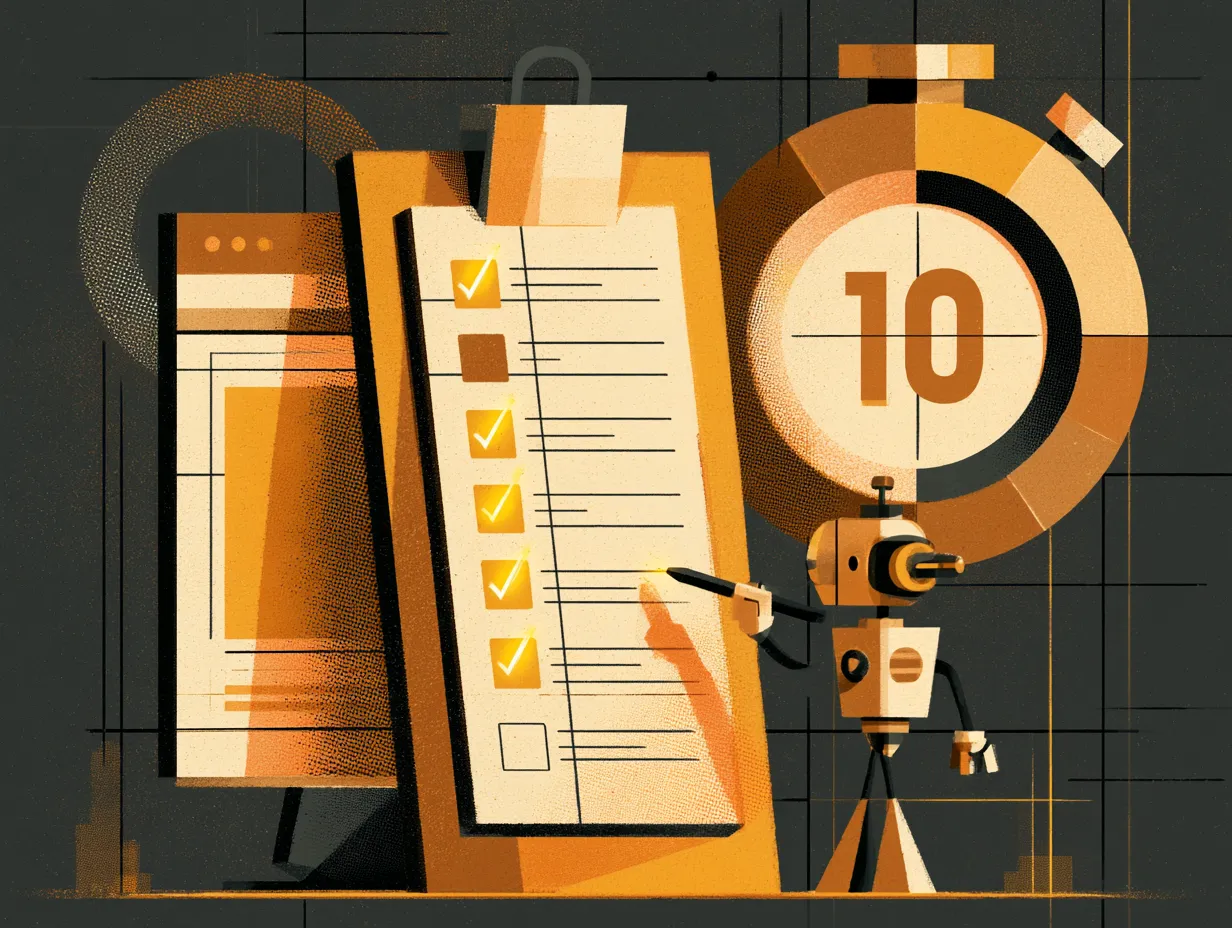
Small Business Website Checklist: Do You Have a Good Site?
A good small business website answers three questions within 10 seconds (what you do, who it is for, and what to do next), loads in under 3 seconds on a phone, shows real proof, and appears when someone asks Google or AI for a business like yours. If your site misses any of those, it is losing you customers right now.

What Your Clients Actually See When They Visit Your Website
You see a site that 'works fine.' They see a business they're not sure they can trust. The perception gap is the most expensive problem you're not measuring.
What Your Homepage Should Actually Say (a Framework for Small Businesses)
A homepage has 10 seconds to answer three questions: what you do, who it's for, and what the visitor should do next. Most small business sites answer zero of them. The fix is a five-section structure that starts with the visitor's problem, not your company history.
Get ideas like these in your inbox.
One email per month. Practical tips for your website and business. No spam, unsubscribe anytime.
Ready to put these ideas to work?
Let's build a site that makes your business look as good as it is.
Start a project →